Die Frage „0,3 oder 0,5 Promille?“ ist entscheidend: Die allgemeine Grenze liegt bei 0,5 Promille, aber schon ab 0,3 Promille drohen strafrechtliche Konsequenzen, wenn Sie Ausfallerscheinungen zeigen. Fahranfänger müssen sogar die 0,0-Promille-Grenze beachten. Ein weit verbreiteter Irrtum ist, dass der Alkohol über Nacht vollständig abgebaut ist. Erfahren Sie, welche Grenzwerte wirklich gelten und was Sie tun müssen, wenn Sie einen Bußgeldbescheid wegen Alkohol am Steuer erhalten haben.
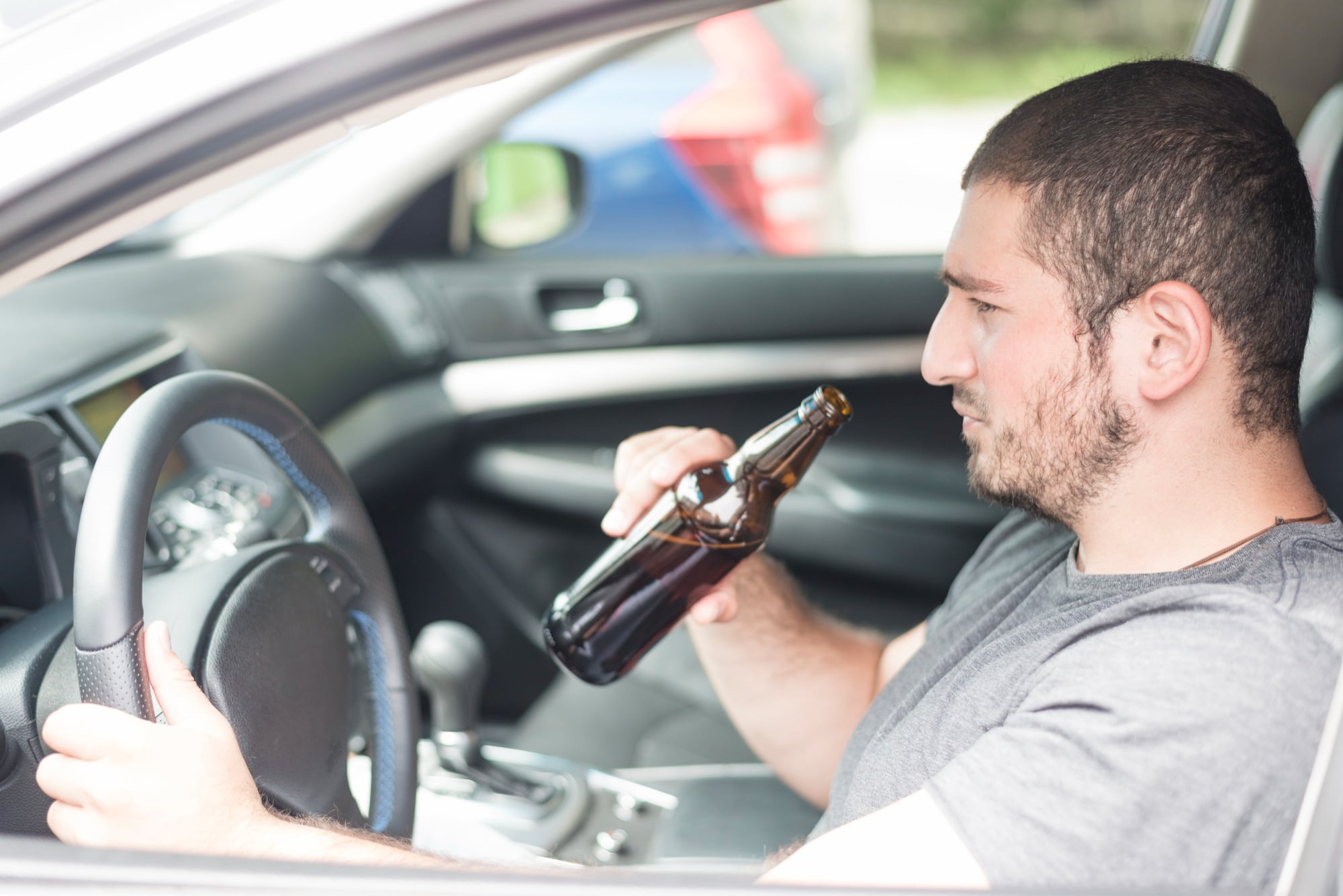
„War es jetzt 0,3 oder 0,5 Promille?“ – Diese Frage stellen sich viele Autofahrerinnen und Autofahrer, wenn sie am Vorabend Alkohol getrunken haben und am nächsten Morgen ins Auto steigen. Die Unsicherheit ist verständlich, denn im deutschen Straßenverkehrsrecht existieren tatsächlich mehrere Grenzwerte, die je nach Situation und Personengruppe unterschiedlich wirken.
Die Verwechslung von 0,3 und 0,5 Promille kann erhebliche rechtliche Konsequenzen haben. Wer glaubt, er liege noch „im sicheren Bereich“, kann sich schnell in einem Bußgeldverfahren oder gar einem Strafverfahren wiederfinden – mit drohenden Fahrverboten, Geldbußen und schlimmstenfalls dem Verlust der Fahrerlaubnis.
Das deutsche Straßenverkehrsrecht kennt keine einzige universelle Promillegrenze. Stattdessen gelten unterschiedliche Schwellen mit unterschiedlichen Rechtsfolgen:
Die bekannteste Grenze ist die 0,5-Promille-Grenze nach § 24a des Straßenverkehrsgesetzes (StVG). Wer mit mindestens 0,5 Promille Blutalkoholkonzentration (BAK) ein Fahrzeug führt, begeht eine Ordnungswidrigkeit – unabhängig davon, ob tatsächliche Ausfallerscheinungen vorliegen. Es handelt sich dabei um einen sogenannten absoluten Grenzwert: Die Fahruntüchtigkeit wird unwiderlegbar vermutet. Bei Wiederholungstaten oder erhöhten BAK-Werten steigen die Sanktionen erheblich.
Hier liegt ein häufiges Missverständnis: Wer weniger als 0,5 Promille im Blut hat, ist nicht automatisch „auf der sicheren Seite“. Denn bereits ab 0,3 Promille kann ein Fahrzeugführer wegen relativer Fahruntüchtigkeit gemäß § 316 StGB (Trunkenheit im Verkehr) strafrechtlich verfolgt werden – wenn zusätzlich alkoholbedingte Ausfallerscheinungen festgestellt werden.
Was zählt als Ausfallerscheinung? Dazu können gehören:
Eine strafrechtliche Verurteilung nach § 316 StGB ist deutlich schwerwiegender als eine Ordnungswidrigkeit: Sie kann zu einer Geldstrafe oder Freiheitsstrafe führen, und in vielen Fällen ordnet das Gericht die Entziehung der Fahrerlaubnis an.
Ab einem BAK-Wert von 1,6 Promille gilt ein Kraftfahrer als absolut fahruntüchtig – selbst wenn er keinerlei äußere Ausfallerscheinungen zeigt. Wer mit diesem Wert am Steuer erwischt wird, muss in der Regel mit der Entziehung der Fahrerlaubnis und der Anordnung einer Medizinisch-Psychologischen Untersuchung (MPU) rechnen, bevor er seinen Führerschein zurückerhält.
Besonders streng ist das Gesetz bei Fahranfängern in der Probezeit und Fahrern unter 21 Jahren: Für sie gilt ein absolutes Alkoholverbot am Steuer.
Ein weit verbreiteter Irrtum ist die Annahme, nach einer Nacht Schlaf sei der Alkohol vollständig abgebaut. Tatsächlich baut der menschliche Körper Alkohol mit einer durchschnittlichen Rate von etwa 0,1 bis 0,15 Promille pro Stunde ab – und dieser Wert kann individuell stark schwanken. Wer am Vorabend bis spät in die Nacht getrunken hat, kann am nächsten Morgen noch weit über der gesetzlichen Grenze liegen.
Polizeiliche Atemalkoholtests (Alkomat) sind als erste Orientierung zulässig, gelten im Strafverfahren jedoch nicht als alleiniger Beweis. Für strafrechtlich relevante Entscheidungen ist die Blutprobe das entscheidende Beweismittel. Dabei gelten bestimmte Messtoleranzen, die ein erfahrener Anwalt in Ihrer Verteidigung berücksichtigen kann.
Wer wiederholt alkoholisiert am Steuer erwischt wird, muss mit einer Entziehung der Fahrerlaubnis rechnen. Zusätzlich kann die Fahrerlaubnisbehörde die Beibringung eines MPU-Gutachtens verlangen. Ohne ein positives MPU-Ergebnis wird die Fahrerlaubnis nicht wieder erteilt. Die MPU – im Volksmund auch „Idiotentest“ genannt – prüft Fahreignung, Alkohol Umgang und Veränderungsbereitschaft.
Wenn Sie einen Bußgeldbescheid erhalten haben:
Wenn gegen Sie ein Strafverfahren eingeleitet wurde:
Die Frage „0,3 oder 0,5 Promille?“ hat keine einfache Antwort – sie hängt davon ab, wer fährt, welche Begleitumstände vorliegen und welche Konsequenzen die Straftat oder Ordnungswidrigkeit nach sich zieht. Sicher ist: Die Grenze liegt nicht dort, wo viele sie vermuten. Auch unterhalb von 0,5 Promille kann es zu erheblichen rechtlichen Problemen kommen.
Wenn Sie einen Bußgeldbescheid wegen Alkohol am Steuer erhalten haben oder gegen Sie ein Strafverfahren eingeleitet wurde, stehe ich Ihnen bei der Kanzlei von Schoen gerne mit einer ehrlichen und fundierten Einschätzung Ihrer Lage zur Seite. Ich prüfe Ihren Fall sorgfältig, erkläre Ihnen die realistischen Erfolgsaussichten – ohne leere Versprechen – und vermittle Ihre Möglichkeiten klar und verständlich.
Teilen


Kanzlei von Schoen
We firmly believe that the internet should be available and accessible to anyone, and are committed to providing a website that is accessible to the widest possible audience, regardless of circumstance and ability.
To fulfill this, we aim to adhere as strictly as possible to the World Wide Web Consortium’s (W3C) Web Content Accessibility Guidelines 2.1 (WCAG 2.1) at the AA level. These guidelines explain how to make web content accessible to people with a wide array of disabilities. Complying with those guidelines helps us ensure that the website is accessible to all people: blind people, people with motor impairments, visual impairment, cognitive disabilities, and more.
This website utilizes various technologies that are meant to make it as accessible as possible at all times. We utilize an accessibility interface that allows persons with specific disabilities to adjust the website’s UI (user interface) and design it to their personal needs.
Additionally, the website utilizes an AI-based application that runs in the background and optimizes its accessibility level constantly. This application remediates the website’s HTML, adapts Its functionality and behavior for screen-readers used by the blind users, and for keyboard functions used by individuals with motor impairments.
If you’ve found a malfunction or have ideas for improvement, we’ll be happy to hear from you. You can reach out to the website’s operators by using the following email ra@kanzlei-vonschoen.de
Our website implements the ARIA attributes (Accessible Rich Internet Applications) technique, alongside various different behavioral changes, to ensure blind users visiting with screen-readers are able to read, comprehend, and enjoy the website’s functions. As soon as a user with a screen-reader enters your site, they immediately receive a prompt to enter the Screen-Reader Profile so they can browse and operate your site effectively. Here’s how our website covers some of the most important screen-reader requirements, alongside console screenshots of code examples:
Screen-reader optimization: we run a background process that learns the website’s components from top to bottom, to ensure ongoing compliance even when updating the website. In this process, we provide screen-readers with meaningful data using the ARIA set of attributes. For example, we provide accurate form labels; descriptions for actionable icons (social media icons, search icons, cart icons, etc.); validation guidance for form inputs; element roles such as buttons, menus, modal dialogues (popups), and others. Additionally, the background process scans all the website’s images and provides an accurate and meaningful image-object-recognition-based description as an ALT (alternate text) tag for images that are not described. It will also extract texts that are embedded within the image, using an OCR (optical character recognition) technology. To turn on screen-reader adjustments at any time, users need only to press the Alt+1 keyboard combination. Screen-reader users also get automatic announcements to turn the Screen-reader mode on as soon as they enter the website.
These adjustments are compatible with all popular screen readers, including JAWS and NVDA.
Keyboard navigation optimization: The background process also adjusts the website’s HTML, and adds various behaviors using JavaScript code to make the website operable by the keyboard. This includes the ability to navigate the website using the Tab and Shift+Tab keys, operate dropdowns with the arrow keys, close them with Esc, trigger buttons and links using the Enter key, navigate between radio and checkbox elements using the arrow keys, and fill them in with the Spacebar or Enter key.Additionally, keyboard users will find quick-navigation and content-skip menus, available at any time by clicking Alt+1, or as the first elements of the site while navigating with the keyboard. The background process also handles triggered popups by moving the keyboard focus towards them as soon as they appear, and not allow the focus drift outside it.
Users can also use shortcuts such as “M” (menus), “H” (headings), “F” (forms), “B” (buttons), and “G” (graphics) to jump to specific elements.
We aim to support the widest array of browsers and assistive technologies as possible, so our users can choose the best fitting tools for them, with as few limitations as possible. Therefore, we have worked very hard to be able to support all major systems that comprise over 95% of the user market share including Google Chrome, Mozilla Firefox, Apple Safari, Opera and Microsoft Edge, JAWS and NVDA (screen readers).
Despite our very best efforts to allow anybody to adjust the website to their needs. There may still be pages or sections that are not fully accessible, are in the process of becoming accessible, or are lacking an adequate technological solution to make them accessible. Still, we are continually improving our accessibility, adding, updating and improving its options and features, and developing and adopting new technologies. All this is meant to reach the optimal level of accessibility, following technological advancements. For any assistance, please reach out to ra@kanzlei-vonschoen.de